

Extinction is a natural process, but it’s happening at 1,000 times the normal speed When Sudan the white rhino was put down by his carers earlier this year, it confirmed the extinction of one of the savannah’s most iconic subspecies. Despite decades of effort from conservationists, including a fake Tinder profile for the animal dubbed […]
You are browsing archives for
Tag: Conservation
Even Scientists Take Selfies With Wild A...
Even Scientists Take Selfies with Wild Animals. Here’s Why They Shouldn’t. One of the great things about being a biologist is getting to work in the field and connect with wildlife. Through my career, I have enjoyed many unforgettable close encounters with various species, including turtles, birds, marine mammals, invertebrates and a lot of fish, […]
The Plight of the Great Green


The Plight of the Great Green Many species are facing rapidly declining numbers for a variety of different reasons. Habitat loss, climate change, and poaching are a few of the issues that many species are facing on a daily basis. Bringing these issues to light, working to create awareness, and educating communities to inspire change […]
How Noise Pollution is Changing Animal B...
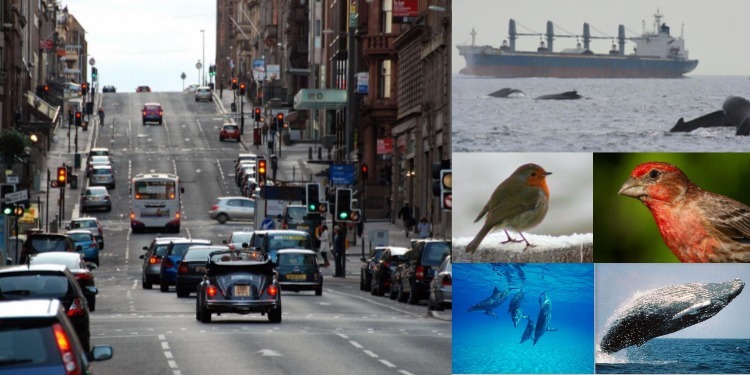
How noise pollution is changing animal behaviour Noise pollution, generally an unintended byproduct of urbanisation, transport, and industry, is a key characteristic of human development and population growth. In some cases, it is produced intentionally, for example when seismic surveys are being carried out using powerful airgun arrays to explore and map the seafloor, or […]
When Science “Discovers” What Traditiona

It’s taken thousands of years, but Western science is finally catching up to Traditional Knowledge A team of researchers in northern Australia have documented kites and falcons, “firehawks,” intentionally carrying burning sticks to spread fire: It is just one example of western science catching up to Indigenous Traditional Knowledge. by George Nicholas, Simon Fraser University Originally […]
Mangroves –A Muddy Affair!

Mangroves –A Muddy Affair! Whenever we think of a tropical vacation, we imagine vibrant and colorful coral reefs, or we dream of magnificent sandy beaches. But there is a different kind of ecosystem —a less popular tourist destination for sure, but a true heaven for naturalists. Can you take a guess?… I am talking about […]
🦎 iNaturalism » The Magic of Biodiversit

Biodiversity on our footpath… Chitons, Star cushions observed in New Zealand. Explore and join our iNat EwA Project Summary ꙳ Objectives ▹ Biodiversity is the fabric of Life on Earth. It’s not just about the many species of insects, fungi, birds, reptiles, mammals… It’s also about the various Earth habitats. It surrounds us wherever we […]
Esteros del Iberá —Rewilding & Inspiring

“Sustained by values that are based on an eco-centric view of the world, prioritizing the importance of ecosystems and all forms of life therein, regardless of their use to man.” (Excerpt from the Conservation Land Trust’s mission) Esteros del Iberá —Rewilding & Inspiring My mom stumbled upon Esteros del Ibera (the World’s second-largest freshwater reservoir) […]
Zoo-ing Out: A First in the Travel Indus...
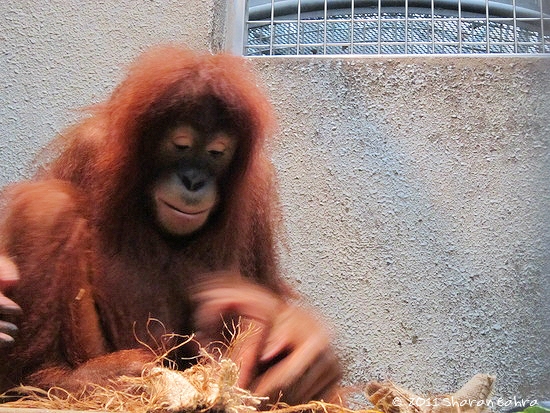
In April 2017, Responsible Travel became the first travel company to stop promoting any holidays that included a visit to a zoo. Their reasons are centered around the education value of zoos, how much is spent on conservation efforts and what percentage of zoned animals are endangered. This is a very courageous decision from a […]
Captive Breeding Programs: Which Shade o...

Increasingly zoo experts are questioning the effectiveness of isolated ex situ breeding for conservation. Some have argued along these lines that “there are far too many endangered species and not nearly enough space to breed them all in captivity and, in many cases, far too little habitat remaining in which to reintroduce them. In addition, […]